

March 12, 2025
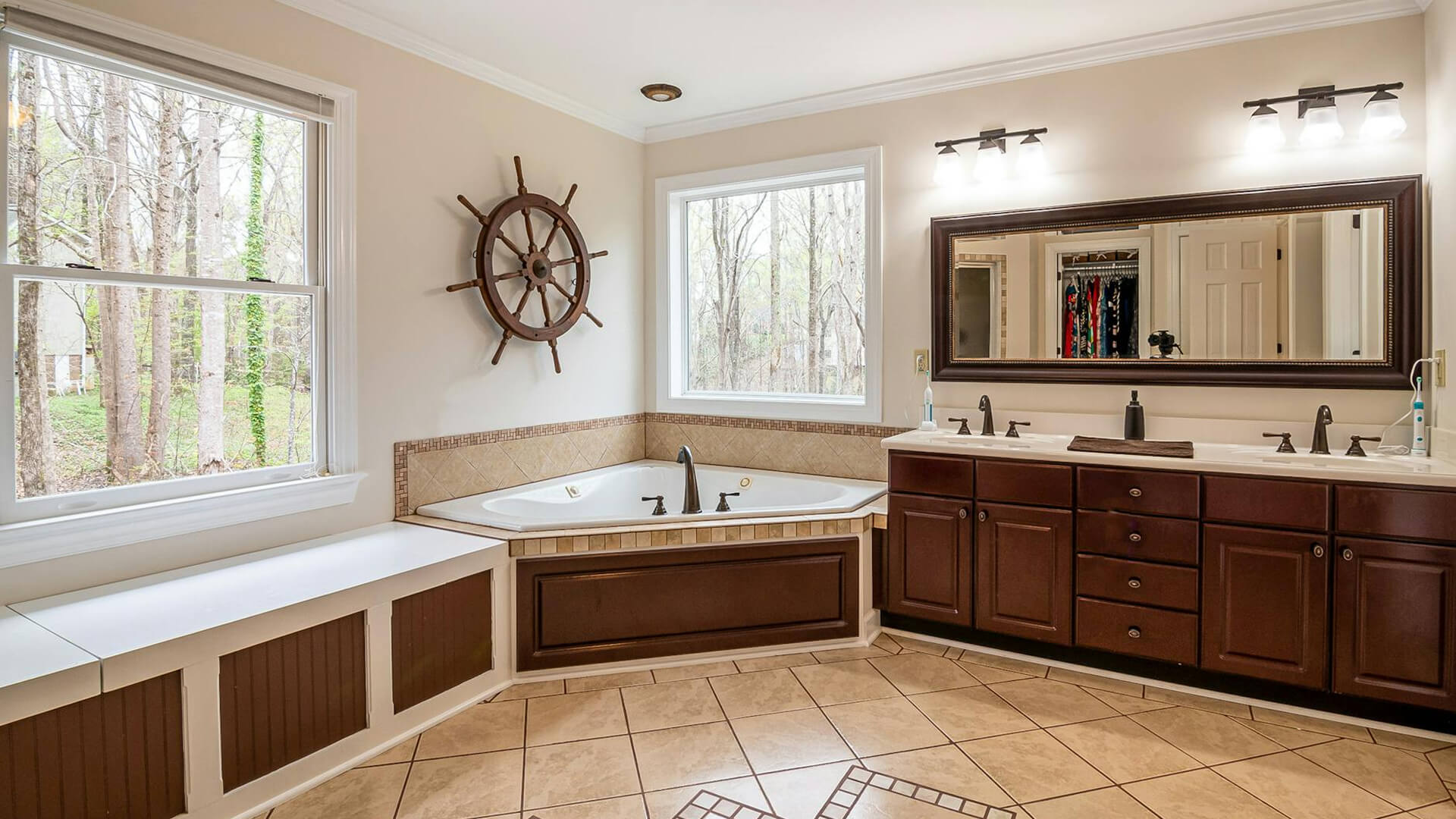
Kitchen design is constantly evolving, and 2025 brings exciting new trends that balance aesthetics with functionality. At Rideout Contracting, we're seeing homeowners embrace warmer tones, sustainable materials, and smart storage solutions. If you're planning a kitchen renovation, these trends will help you create a space that's both beautiful and practical for years to come.
The modern kitchen has evolved far beyond just a place to prepare meals—it's the heart of the home where families gather, kids do homework, and friends congregate during parties. Today's kitchen designs reflect this multi-functional reality while incorporating cutting-edge materials, technology, and sustainable practices. Whether you're doing a complete renovation or selective upgrades, understanding current trends helps you make informed decisions that will keep your kitchen fresh and functional for years.
The all-white kitchen is taking a backseat to warmer, more organic palettes in 2025. Earthy wood tones—especially oak, walnut, and light maple—are replacing stark white cabinetry. These natural materials bring warmth and texture to the space while creating a cozy, inviting atmosphere that feels less sterile and more like the heart of a home should.
Two-tone cabinetry is particularly popular, mixing wood lower cabinets with painted upper cabinets or creating contrast between island and perimeter cabinets. This approach adds visual dimension while breaking up large expanses of single materials. Dark walnut paired with cream-colored uppers creates sophisticated contrast, while light oak with sage green feels fresh and modern.
Beyond cabinetry, wood elements are appearing in unexpected places—wood-look tile flooring that provides durability with the warmth of wood, floating wood shelves against neutral walls, wood beam accents on ceilings, and wood countertop sections that provide warmth next to cooler stone or quartz surfaces. When selecting wood elements, consider grain patterns, finish levels (matte finishes are trending over high gloss), and how the wood will age over time.
At Rideout Contracting, we help you select quality wood materials that are both beautiful and durable, properly sealed to withstand kitchen moisture and temperature changes. We source from reputable suppliers and can show you samples in various lighting conditions to ensure you love your choice.
Lighting is no longer just functional—it's become one of the most impactful design elements in modern kitchens. Oversized pendant lights, sculptural chandeliers, and industrial-style fixtures are making bold statements, serving as jewelry for your kitchen while providing essential task lighting.
Over kitchen islands, we're seeing dramatic fixtures that command attention. Large globe pendants, geometric cage designs, and multi-light linear suspensions hang at varying heights to create visual interest. The scale has increased— don't be afraid of large fixtures in spaces with adequate ceiling height. As a rule of thumb, pendants should hang 30-36 inches above the island surface and allow for clear sightlines across the room.
Layered lighting is crucial for functionality. Ambient lighting from recessed cans or flush-mount ceiling fixtures provides overall illumination. Task lighting under cabinets ensures safe food prep with shadow-free work surfaces. Accent lighting inside glass-front cabinets or along toe kicks adds warmth and sophistication. Dimmer switches allow you to adjust brightness for different activities—bright for cooking, dimmed for entertaining.
Mixed metal finishes add sophistication and prevent the space from feeling too matchy. Pair brass pendants with brushed nickel cabinet hardware, or combine matte black fixtures with stainless steel appliances. This intentional mixing feels curated rather than haphazard. Our team ensures your kitchen lighting is properly planned and installed, with circuits positioned for optimal fixture placement and appropriate electrical capacity for your needs.
Kitchen islands have evolved from simple prep surfaces into multi-functional workhorses that anchor the entire space. In 2025, islands are being designed to accommodate cooking, dining, storage, and even homework—truly becoming the center of family life.
Cooking zones integrated into islands are increasingly popular. Built-in cooktops allow the cook to face the room and interact with family or guests rather than facing a wall. This requires proper ventilation—either a dramatic overhead hood that becomes a design focal point or a sleek downdraft system that rises from the countertop when needed. Consider whether you want the cooktop on the island or prefer to keep that area clear for serving and other activities.
Extended countertops create casual dining areas that eliminate the need for a separate breakfast table. Overhang at least 12-15 inches to allow comfortable knee space for seating. Raised bars at varying heights create visual separation between work zones and dining areas while hiding kitchen mess from seated guests.
Storage is where islands really shine. Deep drawers accommodate pots, pans, and small appliances. Pull-out trash and recycling bins keep waste hidden but accessible. Wine refrigerators, beverage drawers, and warming drawers can be built into island ends. Some homeowners incorporate dishwasher drawers or full dishwashers on the island for convenient cleanup. Microwave drawers built into islands free up counter space while keeping this frequently-used appliance easily accessible.
Outlets are essential but often overlooked. Pop-up outlets emerge from countertops when needed and disappear when not in use. Side-mounted outlets on island ends keep cords off work surfaces. Consider USB ports and wireless charging pads for modern device needs. Rideout Contracting specializes in custom island solutions tailored to your specific needs, ensuring proper electrical placement, adequate structural support, and thoughtful layouts that maximize functionality.
Sustainability is more than a buzzword—it's a priority for modern homeowners who want their renovations to align with their environmental values. The good news is that eco-friendly materials have never been more attractive, durable, or accessible.
Recycled glass countertops contain pre-consumer and post-consumer glass mixed with resin or cement binders, creating stunning surfaces with depth and sparkle. These countertops are durable, non-porous, and come in colors ranging from subtle to bold. Recycled paper composite countertops compressed under high heat create surprisingly durable surfaces suitable for kitchens, available in rich colors and wood-look finishes.
Reclaimed wood adds character and history to kitchens. Barn wood beams as open shelving, reclaimed flooring with patina and nail holes telling stories, or salvaged wood crafted into custom islands all bring unique character impossible to replicate with new materials. Each piece is one-of-a-kind, adding authenticity and warmth to your space.
Bamboo has emerged as a sustainable cabinet material that grows much faster than traditional hardwoods. Properly manufactured bamboo cabinetry is incredibly durable, moisture-resistant, and available in various colors from natural blonde to rich carbonized brown. Cork flooring provides cushioned comfort underfoot while being renewable, antimicrobial, and excellent for sound absorption.
Low-VOC and zero-VOC paints eliminate harmful chemical off-gassing that can affect indoor air quality. These paints perform just as well as traditional options while being safer for your family and the environment. Energy-efficient appliances with ENERGY STAR certification use significantly less electricity and water. LED lighting uses a fraction of the energy of incandescent bulbs and lasts years longer. Water-saving faucets and dishwashers reduce water consumption without sacrificing performance.
When you work with Rideout Contracting, we can help you select eco-friendly options that align with your values without compromising on style, quality, or budget. We stay informed about sustainable materials and can source responsible options that meet your aesthetic and functional requirements.
Open shelving continues to be a popular trend, offering a chance to display beautiful dishes, glassware, or decorative items while making the space feel more open and airy. However, 2025 sees a more nuanced approach—mixing open and closed storage rather than committing fully to one style.
The benefits of open shelving are significant. It creates visual openness in smaller kitchens where upper cabinets might feel heavy. It encourages you to keep displayed items organized and attractive. It provides easy access to frequently-used dishes and glasses. And it can be more economical than custom cabinets. However, open shelves require maintenance—displayed items collect dust and grease, and everything is visible, requiring constant tidying.
The mixed approach provides the best of both worlds. Open shelves flanking a window or range hood create symmetry and display space for pretty items. A single wall of open shelving in an eat-in area showcases cookbooks and serving pieces. Glass-front cabinets offer display capability while protecting contents from grease and dust. This balance allows you to showcase favorites while keeping everyday clutter hidden behind closed doors.
When designing open shelving, consider depth carefully. Shelves that are too deep become landing spots for random items pushed to the back. Standard depths of 10-12 inches work well for dishes and glassware. Support brackets should be strong enough to handle weight—fully loaded shelves are heavy. Spacing between shelves should accommodate your tallest items with a bit of extra room.
Our team can design custom shelving solutions that balance display and function perfectly, with proper wall anchoring, attractive bracket styles that complement your design, and strategic placement that enhances your kitchen's flow and aesthetics.
Smart kitchens are becoming the norm rather than the exception. Technology is seamlessly integrating into kitchen design in ways that add genuine convenience while maintaining clean lines and modern aesthetics—no clunky gadgets cluttering your counters.
Voice-activated faucets turn on and off with simple commands—incredibly useful when your hands are dirty or full. Many also offer precise temperature control and measured water amounts for recipes. Smart refrigerators have evolved beyond gimmicks to offer genuinely useful features: internal cameras let you check contents while grocery shopping, expiration date tracking reduces food waste, and integration with meal planning apps suggests recipes based on available ingredients.
App-controlled ovens can be preheated remotely on your way home from work. Some models offer guided cooking with automatic temperature and time adjustments based on the recipe you've selected. Smart cooktops with built-in sensors prevent boil-overs and automatically adjust heat levels. Automated coffee makers start brewing when your alarm goes off, ensuring fresh coffee when you reach the kitchen.
Beyond appliances, smart technology extends to ambient features. Under-cabinet lighting that adjusts color temperature throughout the day—cooler light for morning cooking, warmer tones for evening entertaining. Motorized window treatments that adjust based on sunlight and temperature. Smart speakers integrated into range hoods for music and voice assistance while cooking.
Charging infrastructure is essential in modern kitchens. Dedicated charging drawers with built-in USB ports and wireless charging pads keep devices powered without visible cords. Pop-up outlets in islands provide convenient power for small appliances without permanent outlet strips. Plan for adequate electrical circuits to support all this technology without overloading systems.
When planning smart technology integration, consider your comfort level with tech and what will genuinely improve your daily routine versus what's just flashy. Our team can help you navigate options and ensure proper electrical infrastructure to support your smart kitchen goals.
While neutral tones dominate cabinetry and walls, backsplashes are where homeowners are getting creative and injecting personality into their kitchens. The backsplash has evolved from a purely practical element into an opportunity to make a design statement.
Colorful tiles in deep blues, emerald greens, terracotta oranges, and rich burgundies create focal points that draw the eye without overwhelming the space. Patterned ceramics—from traditional Moroccan zellige to modern geometric designs—add visual interest and Old World charm. Textured stone like stacked ledger stone or three-dimensional tile adds depth and plays with light and shadow.
Metallic finishes bring glamour and reflectivity. Stainless steel tiles create an industrial-chic aesthetic that's also incredibly practical and easy to clean. Copper tiles develop a living patina over time that adds character. Mixed metal mosaics combine different finishes for a custom, jewelry-like appearance.
Full-height backsplashes extending from counter to ceiling create dramatic impact, especially behind ranges or sinks. This approach works particularly well with simple, classic tiles like subway tiles or large-format slabs that don't become visually overwhelming at that scale. Contrasting grout color—dark grout with light tiles or vice versa— emphasizes pattern and adds contemporary edge.
Practical considerations matter too. The backsplash protects walls from water, grease, and food splatters, so choose materials appropriate for kitchen conditions. Glass and glazed ceramic are easiest to clean. Natural stone may need sealing. Textured surfaces require more scrubbing effort but hide imperfections better than smooth surfaces.
Whether you prefer classic subway tiles with a twist (like vertical orientation or colored grout), intricate mosaic patterns that become art, or bold geometric designs that make a statement, Rideout Contracting can bring your vision to life with expert installation. We ensure proper substrate preparation, precise cutting around outlets and fixtures, and clean grout lines that elevate your backsplash from afterthought to showpiece.
Creating a modern, functional kitchen that reflects the latest trends starts with the right contractor. At Rideout Contracting, we combine over 25 years of experience with expert craftsmanship to deliver kitchen renovations that exceed expectations. From design consultation to final installation, we're with you every step of the way. Contact us today for a free estimate and let's build the kitchen of your dreams.
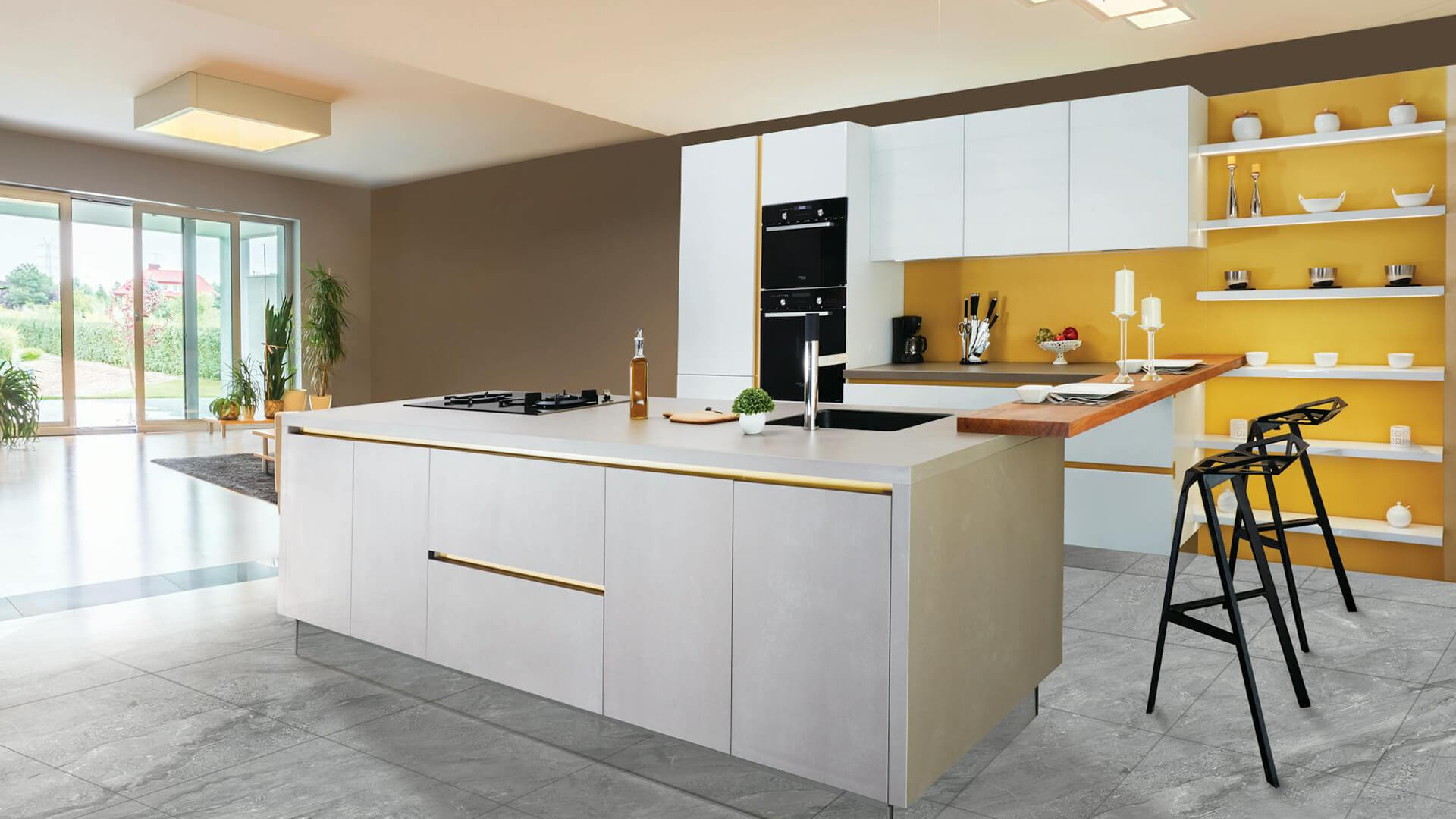
Learn the common pitfalls homeowners face and how to sidestep them effortlessly.
April 12, 2024
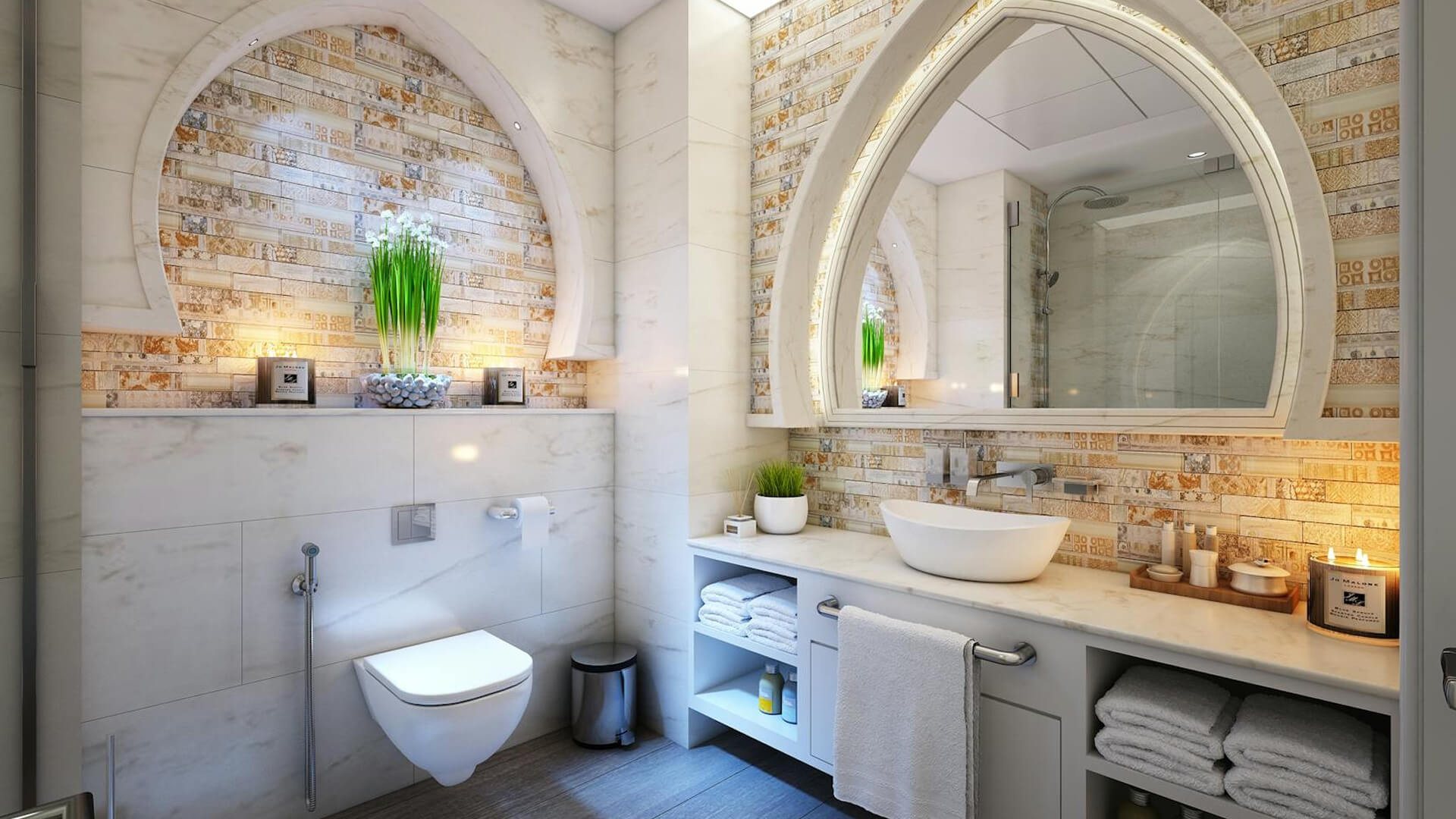
Smart remodeling ideas to make your compact home feel bigger and brighter.
November 12, 2023